background
  1. Home
  2. /
  3. Regression Testing with Owlity
Regression testing platform

Regression Testing with Owlity

Run your full test suite on every deploy — across every browser, in parallel — and know within minutes whether a release is safe to ship.


Manual regression vs. Owlity

Time per cycle
Triggered by
Browser coverage
Edge cases
Failure visibility
Coverage guarantee
Manual regression
iconHours or days
iconSomeone remembers
iconOne at a time
iconRarely fully covered
icon"Something broke"
iconBest effort
Owlity
Owlity
iconMinutes
iconEvery deploy, automatically
iconAll major browsers in parallel
iconBuilt by our QA team on demand
iconVideo, logs, step timeline
iconUp to 95%

Why Owlity for regression testing

backgroundicon

Runs on every deploy — automatically

No one needs to remember to trigger regression. Connect to your pipeline once and every deploy gets verified automatically — before it goes live.

backgroundicon

Results before the release goes live

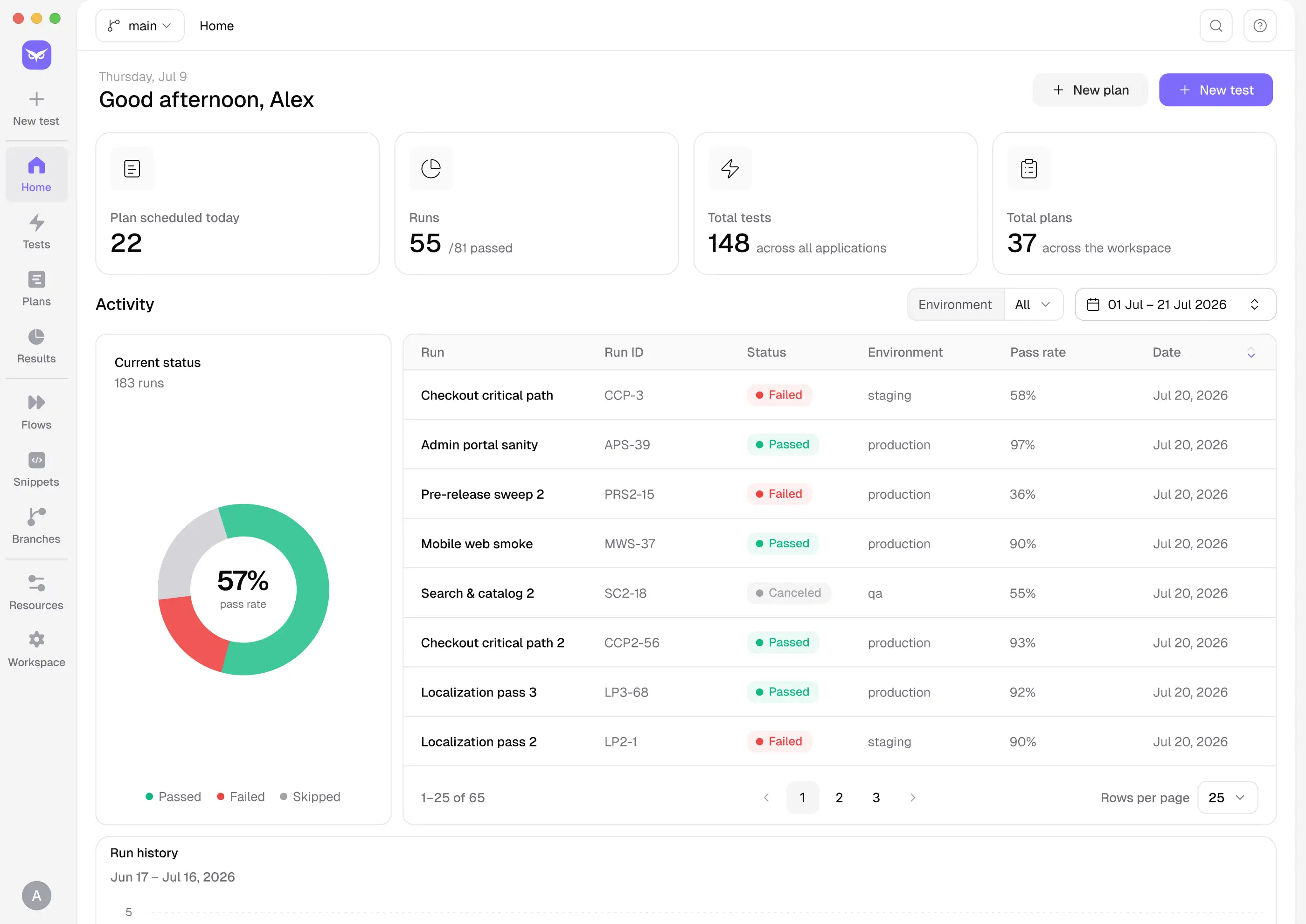
Parallel execution across Chrome, Firefox, Safari, and Edge means your full regression suite completes in minutes. You know what passed and what failed before anyone approves the release.

backgroundicon

Coverage that grows with your product

As new features ship, add them to your regression suite. Our QA team can expand any recorded flow to cover edge cases and error states — so your suite stays complete as your product evolves.

Platform

How to set up regression testing with Owlity

From zero to automated regression — step by step.
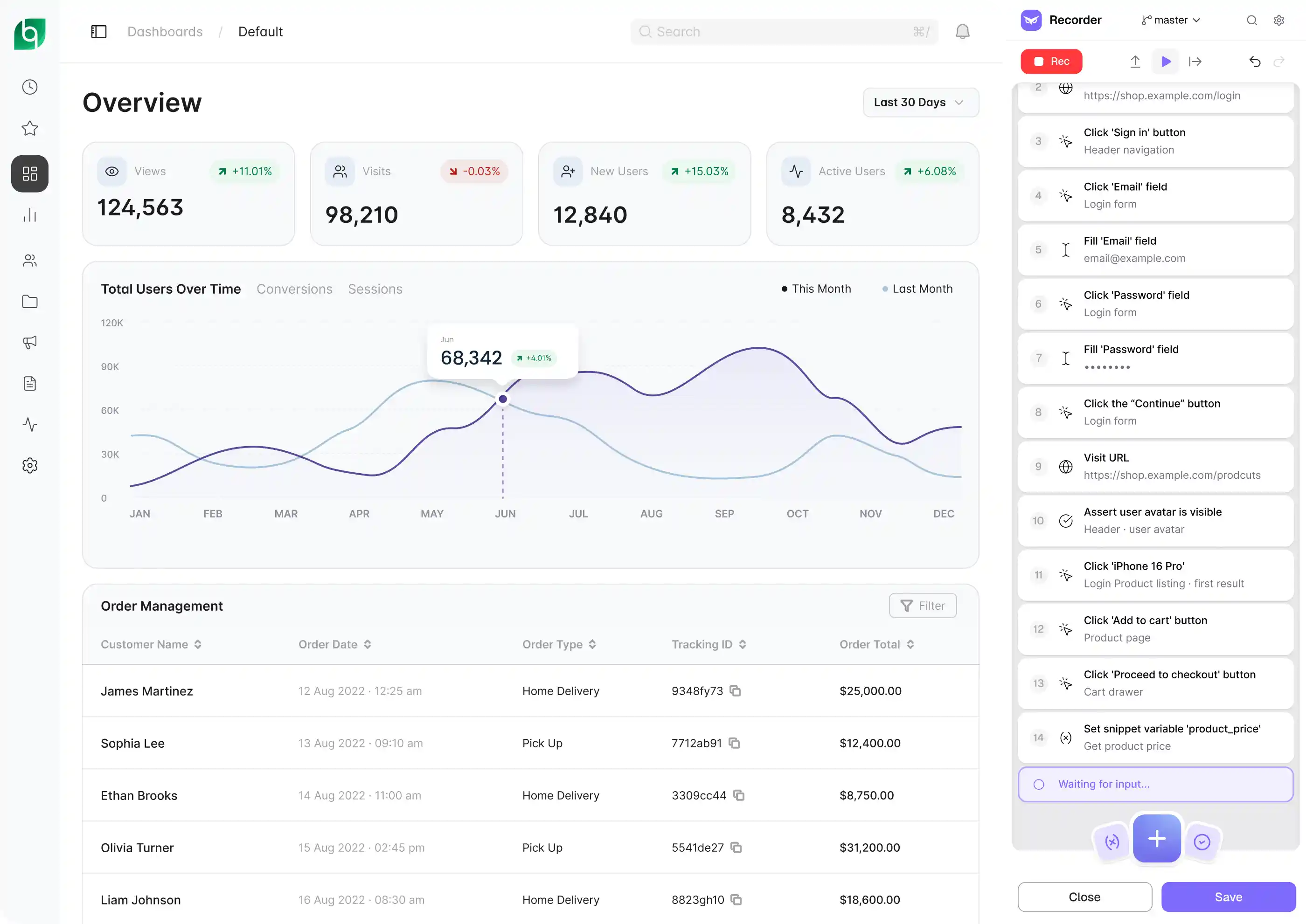
Step 1
Record
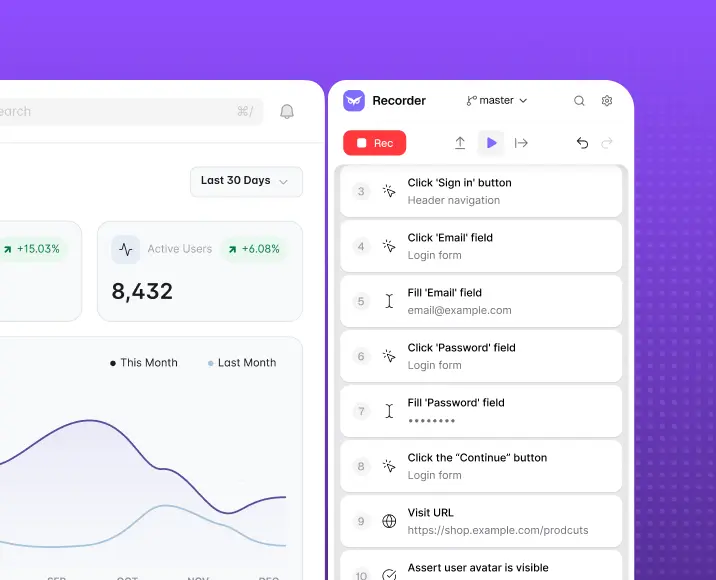
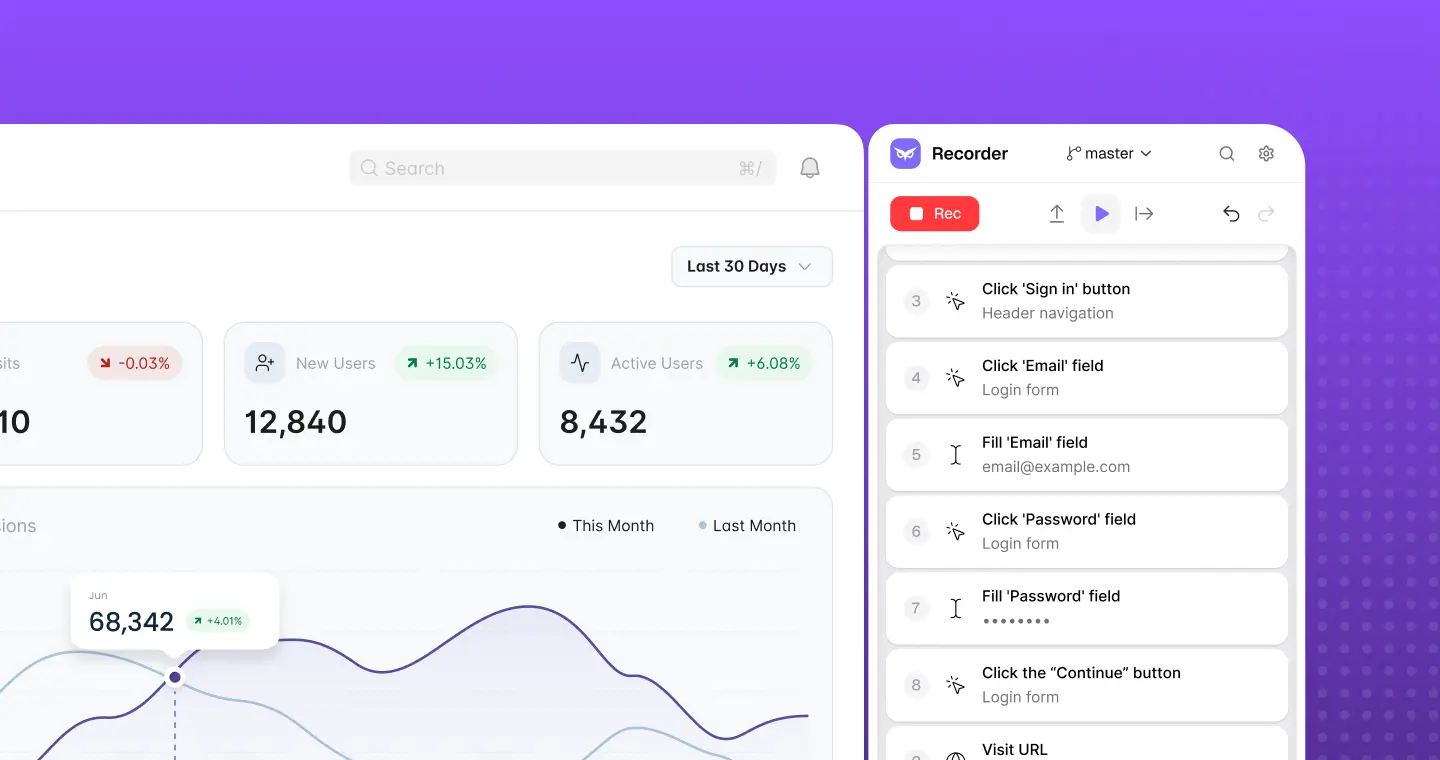
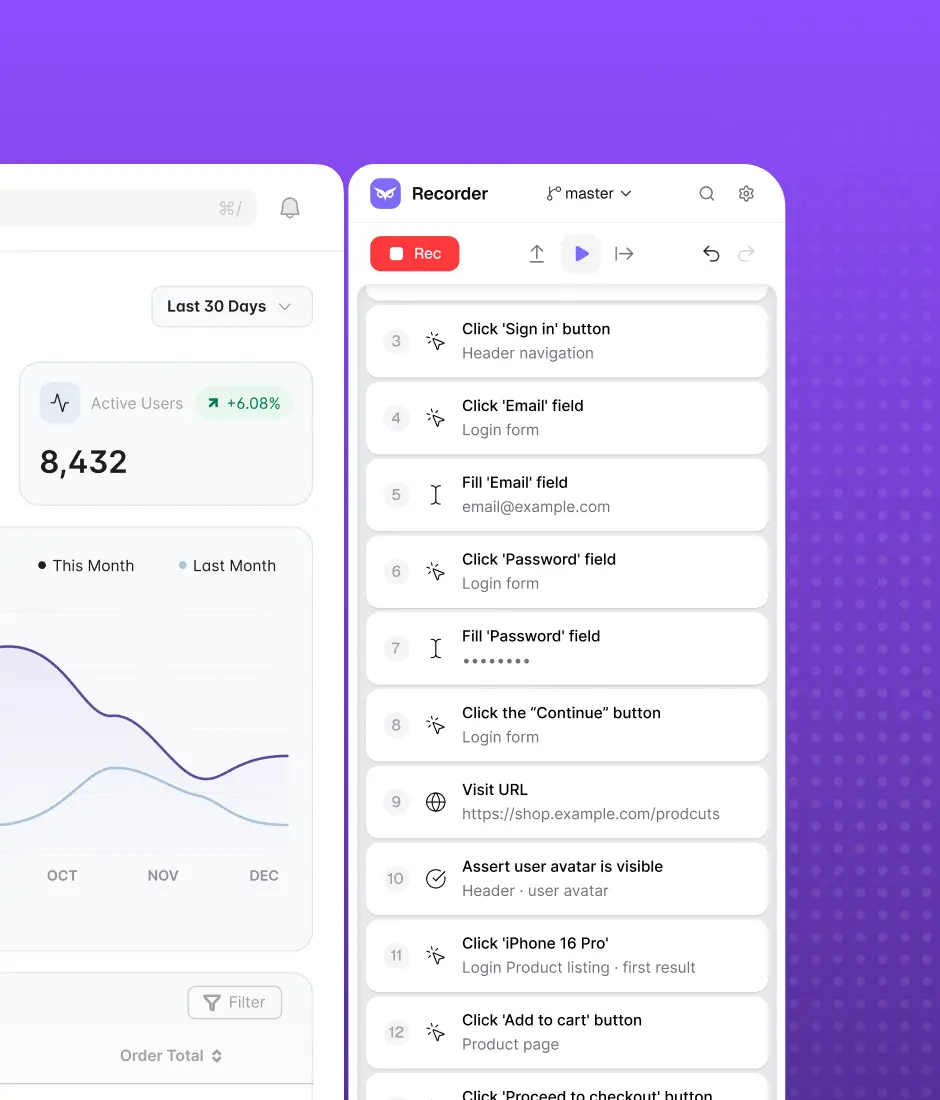
Install the desktop app and record every flow that needs to pass before a release — critical user journeys, core functionality, high-risk areas. Add assertions on elements, URLs, cookies, and responses to verify the right outcomes at every step. Build reusable flows for repeated patterns like authentication so your suite stays lean as it grows.
Step 1
Step 2
Expand
Once the core flows are recorded, submit them for expansion if needed. Our QA team adds edge cases, negative scenarios, error states, and cross-browser assertions — and delivers back fully structured tests ready to run. You review them, request changes if needed, and add them to your suite.
Step 2
Step 3
Run
Link Owlity to GitHub Actions, Jenkins, or Azure DevOps and set your trigger to fire on every deploy. Configure parallel runs across Chrome, Firefox, Safari, and Edge with automatic retries on flaky steps. Your regression suite runs automatically — every time, without exception.
Step 3
Step 4
Review
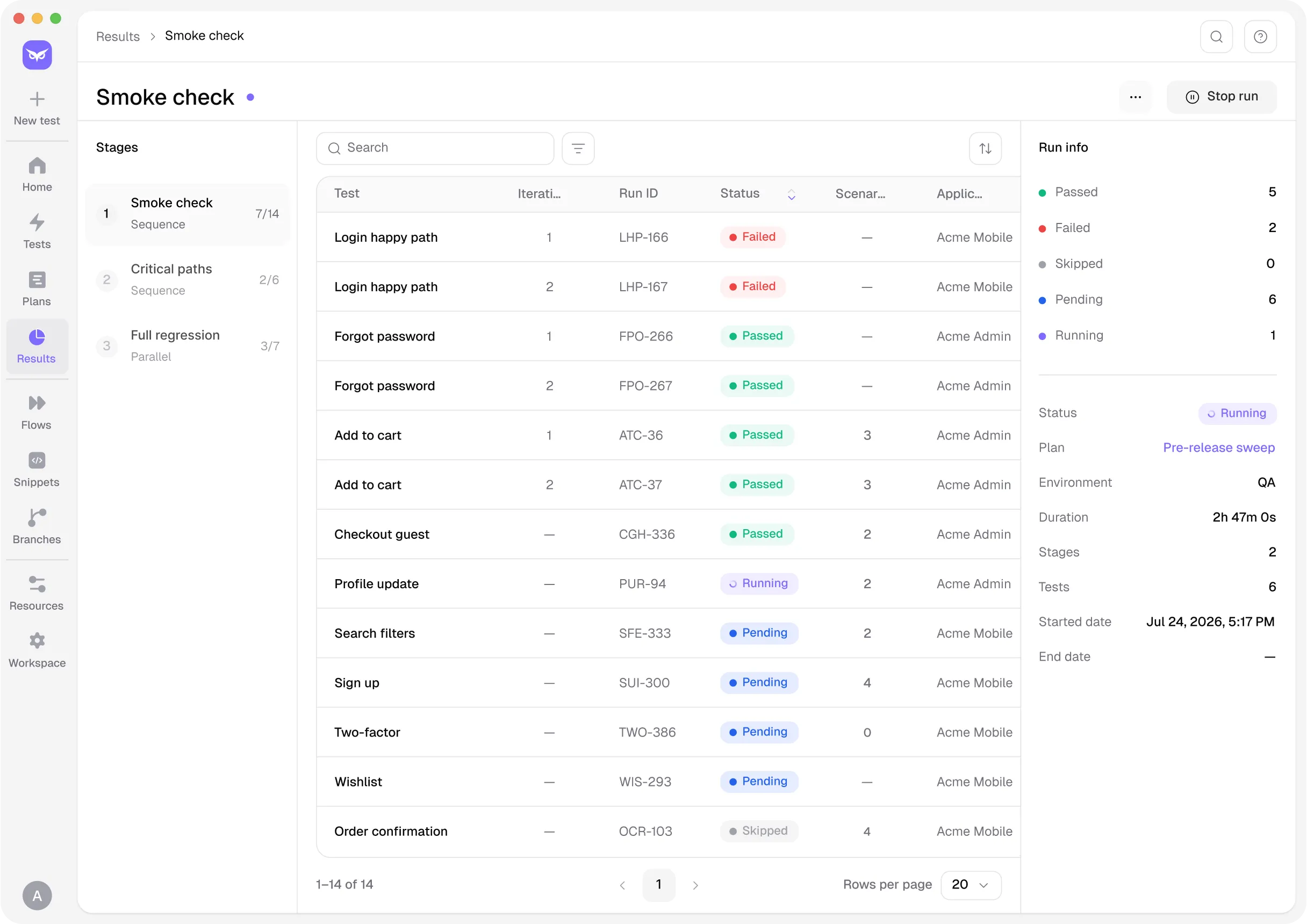
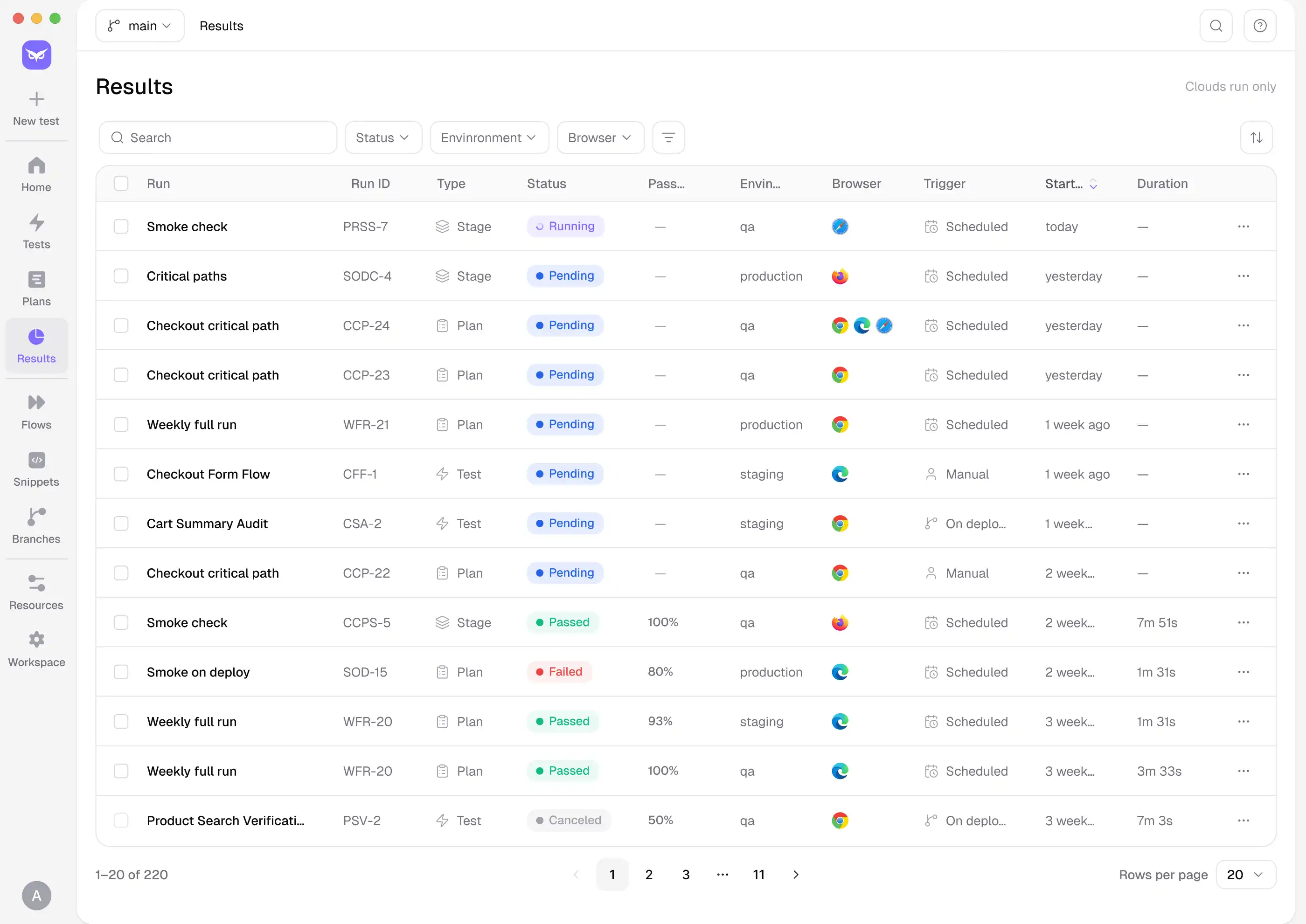
Every run produces a full artifact set — video recording, screenshots, network logs, and a step-by-step timeline. When something fails, you know exactly what broke, on which browser, at which step. Push failures directly to Jira or Linear, or export a CSV report for stakeholders.
Step 4

INTEGRATIONS

Fits into your development ecosystem

Owlity plugs into the tools your team already uses — CI/CD pipelines, issue trackers, and developer workflows — so regression runs where your work already happens.

Works with

GitHub ActionsLogo
Azure DevOpsLogo
JenkinsLogo
JiraLogo
LinearLogo

Zero config to get started.

backgroundbackground

Get started

Reliable regression testing for every release

Record your critical flows today. Expand coverage when you need it. Ship every release with confidence.

FAQ

Questions? We have answers

Your first regression tests can be recorded and running in the cloud the same day. CI/CD integration typically takes under an hour.
On every deploy — that's the point. Owlity connects to your pipeline and triggers automatically, so regression runs every time code ships without anyone manually starting it.
The step editor lets you update specific steps without re-recording the whole flow. For bigger UI changes, re-recording a flow typically takes a few minutes.
Yes. Owlity supports multi-environment runs — staging, pre-production, and production — from a single suite configuration.
Start with your most critical flows and expand from there. Our QA team can build out full coverage — edge cases, error states, and secondary flows — so your suite catches what manual testing misses.

I have more questions. Contact us